Exploring the Wonders of Aquatic Plants
Aquatic plants are a fascinating group of flora that thrive in freshwater and marine environments. From the graceful lotus to the vibrant water lilies, these plants add beauty, ecological balance, and numerous benefits to our water bodies. Whether they are floating on the surface, rooted in the substrate, or submerged in water, aquatic plants play a vital role in maintaining the health of aquatic ecosystems. In this article, we will delve into the intriguing world of aquatic plants, exploring their diverse forms, functions, and importance in both natural and human-made aquatic habitats.
Diverse Forms and Adaptations : Aquatic plants exhibit an impressive array of forms and adaptations that allow them to survive and thrive in water environments. Floating plants such as water hyacinths and duckweed have air-filled structures that help them float on the surface, while submerged plants like Vallisneria and Anubias have long, flexible leaves that absorb nutrients directly from the water. Emergent plants like cattails and bulrushes have partially submerged stems and elongated leaves that rise above the water's surface. These adaptations enable them to tolerate changing water levels and obtain sunlight for photosynthesis.
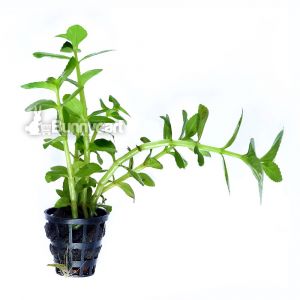
Environmental Benefits : Aquatic plants offer several environmental benefits. They act as natural water purifiers by absorbing excess nutrients like nitrogen and phosphorus, which helps prevent the formation of harmful algal blooms. By absorbing carbon dioxide during photosynthesis, aquatic plants contribute to mitigating climate change. Their extensive root systems enhance water infiltration, reducing the risk of flooding in areas near water bodies. Furthermore, aquatic plants provide shade, which helps regulate water temperature and reduces the growth of undesirable algae. They also act as buffers, absorbing pollutants and reducing the impact of runoff from adjacent land areas. Overall, the presence of aquatic plants contributes to the ecological balance and overall well-being of aquatic environments.
Human Uses and Cultural Significance : Aquatic plants have significant cultural and economic value. Many species, such as water lilies and lotuses, are prized for their beauty and are cultivated in ornamental ponds and gardens worldwide. Some aquatic plants, like the water chestnut, are edible and consumed in various cuisines. Additionally, these plants are used in traditional medicine for their medicinal properties. Furthermore, aquatic plants provide recreational opportunities like fishing, boating, and birdwatching, attracting nature enthusiasts and tourists. Cultivating aquatic plants can also be a source of income for farmers and gardeners. Moreover, the conservation and restoration of aquatic plant habitats are essential for preserving biodiversity and ensuring the sustainability of aquatic ecosystems.
For More Info:-


Comments
Post a Comment