Exploring the Beauty and Benefits of Aquatic Plants
Types of Aquatic Plants : Aquatic plants encompass a wide range of species, each with its own distinctive characteristics and requirements. They can be broadly classified into four main categories: emergent plants, floating plants, submerged plants, and floating-leaved plants.
Emergent plants: These plants have their roots submerged in water but have leaves and stems that extend above the water's surface, such as water lilies and cattails.
Floating plants: These plants float freely on the water's surface, deriving nutrients from the water itself. Examples include water hyacinths and duckweed.
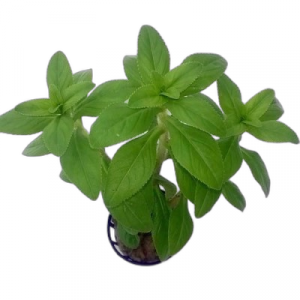
Submerged plants: Also known as oxygenators, these plants are entirely or almost entirely submerged in water. They provide essential oxygen and serve as shelter for aquatic animals. Examples include eelgrass and hornwort.
Floating-leaved plants: These plants have floating leaves and roots anchored in the substrate. They often form dense mats on the water's surface, providing shade and habitat for aquatic organisms. Water lotus and water shield are common examples.
Unique Features and Adaptations : Aquatic plants possess remarkable adaptations that enable them to thrive in their aquatic habitats. Their unique features include specialized leaves, buoyant stems, and unique reproductive strategies.
Many aquatic plants have broad, flat leaves that maximize their surface area for efficient photosynthesis. Some species have evolved tiny hairs or waxy coatings on their leaves to prevent waterlogging. Floating plants have air-filled chambers in their stems or leaves, providing buoyancy. Submerged plants, on the other hand, have thin, flexible leaves that minimize resistance to water flow.
Reproduction in aquatic plants varies, with some relying on seeds while others reproduce through vegetative propagation. Some plants produce specialized structures called "stolons" or "runners" that spread horizontally and generate new plantlets along their length.
Benefits of Aquatic Plants : Aquatic plants offer numerous benefits to both their ecosystems and humans. Ecologically, they play a crucial role in maintaining water quality by absorbing excess nutrients and filtering pollutants. They also provide food and shelter for a variety of aquatic organisms, including fish, invertebrates, and amphibians.
Moreover, aquatic plants contribute to the overall balance of the ecosystem by producing oxygen through photosynthesis. They also help prevent erosion by stabilizing sediments with their roots, reducing the impact of wave action.
In addition to their ecological importance, aquatic plants have aesthetic and recreational value. Many people cultivate water gardens and aquatic landscapes, incorporating these plants for their beauty and tranquility. Public parks and botanical gardens often feature stunning displays of aquatic plants, attracting visitors from all walks of life.
For More Info:-


Comments
Post a Comment