Enhancing Your Aquarium's Beauty and Health with Aquarium Plants
Benefits of Aquarium Plants
Water Quality Improvement: One of the primary advantages of aquarium plants is their role in maintaining water quality. Through the process of photosynthesis, they absorb carbon dioxide and release oxygen, promoting a healthier and more oxygen-rich environment for your fish. Additionally, plants help reduce the levels of toxic nitrogen compounds, such as ammonia and nitrate, which can be harmful to fish if present in high concentrations.
Natural Habitat Simulation: In the wild, fish have access to natural hiding spots and shelter provided by aquatic plants. By introducing live plants into your aquarium, you create a more natural and stress-free environment for your fish. This can result in happier and more active fish, as they feel safer and less exposed.
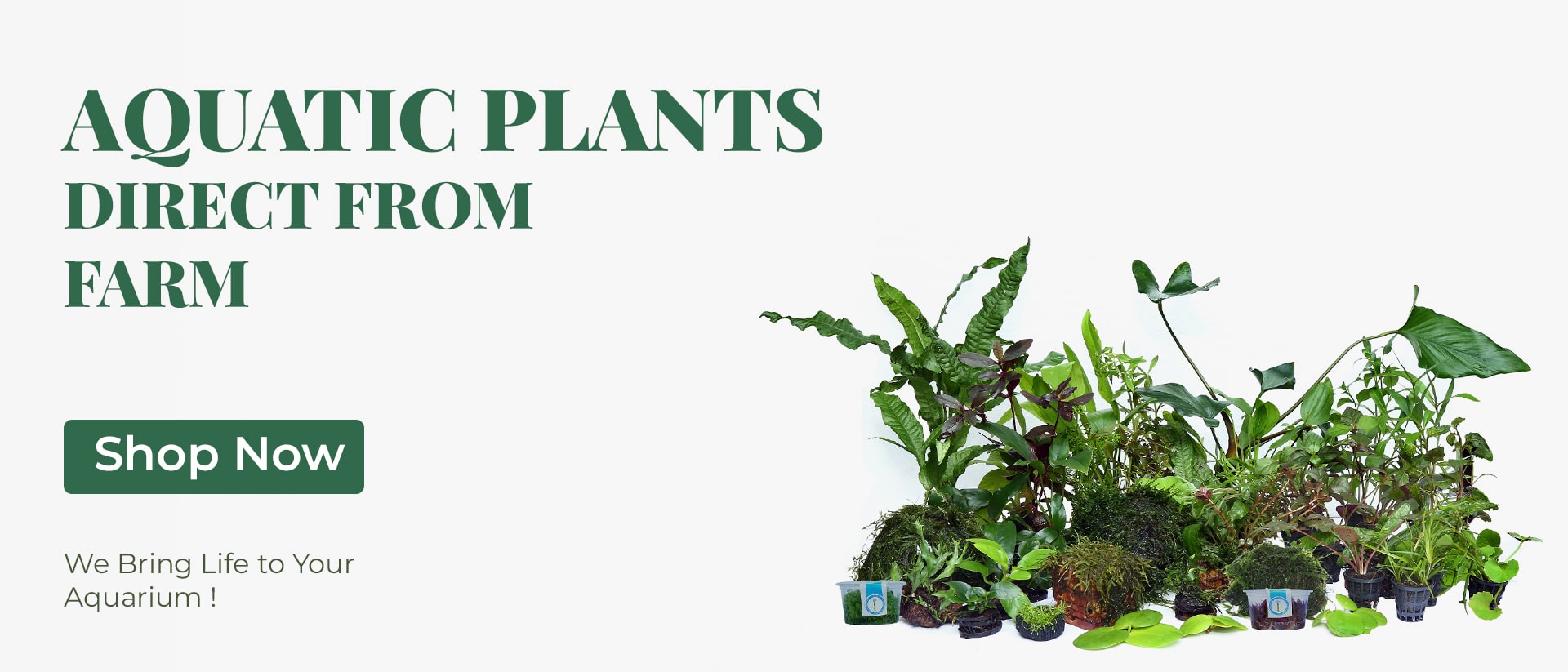
Algae Control: Algae growth is a common concern for aquarium owners. However, introducing fast-growing aquarium plants can help combat algae by competing for nutrients in the water. They effectively reduce the amount of light and nutrients available for algae, thus curbing its growth and keeping your tank cleaner.
Aesthetics and Aquascaping: Live plants add a vibrant touch to your aquarium, elevating its overall aesthetic appeal. The process of aquascaping, or arranging aquatic plants and décor in an artistic manner, enables hobbyists to create stunning underwater landscapes. By experimenting with different plant varieties, colors, and layouts, you can design a visually striking aquarium that reflects your personal style.
Popular Aquarium Plant Species
Java Fern (Microsorum pteropus): An undemanding and robust plant, the Java Fern is an excellent choice for beginners. It can thrive in low light conditions and does not require planting in the substrate; instead, it can be attached to rocks or driftwood. Its distinctive, broad leaves add an elegant touch to any aquarium.
Anubias (Anubias barteri): Similar to the Java Fern, Anubias is low-maintenance and hardy. It prefers low to moderate light levels and should be anchored to rocks or driftwood. With its dark green, heart-shaped leaves, Anubias provides a beautiful contrast to other plants in the tank.
Amazon Sword (Echinodorus amazonicus): A popular choice for larger aquariums, the Amazon Sword features long, sword-shaped leaves that create a lush and natural look. It requires moderate to high light levels and nutrient-rich substrate for optimal growth.
Dwarf Sagittaria (Sagittaria subulata): This carpeting plant is perfect for covering the aquarium floor. It is undemanding and can tolerate various light conditions. Once established, it spreads rapidly, creating a green carpet effect.
For More Info:-


Comments
Post a Comment