Enhancing Your Aquarium Ecosystem with Vibrant Aquarium Plants
The Benefits of Aquarium Plants
Natural Aesthetics: Aquarium plants add a touch of elegance and beauty to your aquatic environment. With a wide spectrum of colors, shapes, and sizes, you can create captivating underwater landscapes that mirror the diversity of the natural world.
Oxygen Production: Just as trees provide oxygen on land, aquarium plants play a vital role in oxygenating the water. Through photosynthesis, plants absorb carbon dioxide and release oxygen, promoting a healthier atmosphere for your fish and other aquatic organisms.
Water Filtration: Aquarium plants contribute to water clarity by absorbing excess nutrients such as nitrates and phosphates. This natural filtration process helps maintain water quality and reduces the frequency of water changes.
Hiding Places and Shelter: Fish and other aquatic creatures seek refuge among plants, helping to reduce stress and improve overall well-being. Plants also offer spawning sites for certain species, enhancing the breeding potential of your aquarium.
Algae Control: Well-maintained aquarium plants compete with algae for nutrients and light, reducing the likelihood of algae overgrowth. They act as a natural deterrent, keeping your tank cleaner and more balanced.
Choosing the Right Plants
When selecting aquarium plants, consider factors such as lighting, water parameters, and the size of your tank. Some popular categories of aquarium plants include:
Foreground Plants: These small, low-growing plants are perfect for the front of your aquarium. They create a sense of depth and provide hiding spots for shy fish.
Midground Plants: These plants are slightly taller and add visual interest to the middle portion of the tank. They can serve as focal points and complement the overall design.
Background Plants: Taller plants are placed at the back of the tank, creating a backdrop that adds depth to the aquarium. They also offer shelter for fish and contribute to water quality.
Floating Plants: These plants, as the name suggests, float on the water's surface. They provide shade, reduce light intensity, and add a unique dimension to your aquarium.
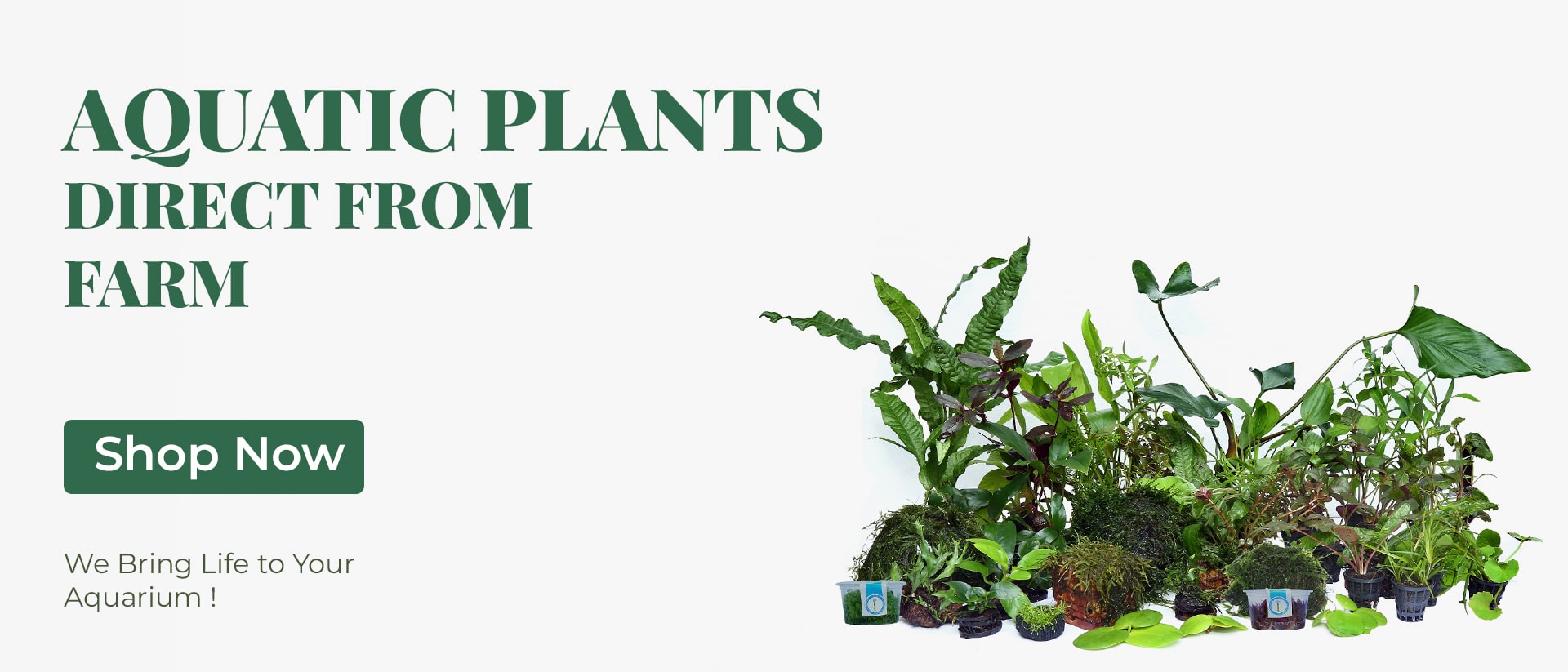
Anubias and Java Ferns: These hardy plants are great for beginners. They can be attached to rocks or driftwood, adding a natural touch to your setup.
Plant Care and Maintenance
To ensure the health and vitality of your aquarium plants:
Proper Lighting: Different plants have varying light requirements. Research the needs of your chosen plants and invest in appropriate lighting equipment.
Substrate: Use a suitable substrate to provide essential nutrients for root development. Some plants may require nutrient-rich substrates, while others can thrive in sand or gravel.
CO2 Supplementation: Consider adding CO2 to encourage robust plant growth, particularly if you have high-light setups.
Regular Pruning: Trim dead or decaying leaves to maintain the overall appearance of the plants. Pruning also helps prevent overcrowding and allows light to reach all parts of the aquarium.
Fertilization: Provide essential nutrients through liquid or substrate fertilizers as needed, based on the requirements of your plant species.
For More Info:-


Comments
Post a Comment