The Beauty and Benefits of Floating Plants in Aquatic Ecosystems
Floating plants are a diverse group of plants that have developed remarkable adaptations to thrive on or near the water's surface. Common examples include water lilies, duckweed, water hyacinths, and water lettuce. Their leaves, roots, and stems are uniquely adapted for their aquatic lifestyle. For instance, water lily leaves have a waxy surface that repels water, causing it to bead up and form beautiful droplets, while their roots are long and flexible, allowing them to anchor in the mud below.
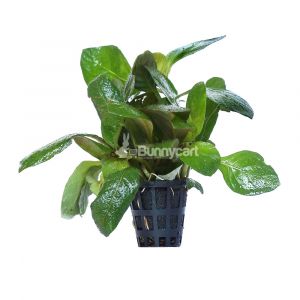
One of the most prominent roles played by floating plants is their ability to provide shade and cover to aquatic habitats. The dense canopy created by these plants on the water's surface helps regulate water temperature by blocking excessive sunlight. This not only prevents water from overheating but also reduces the growth of harmful algae, which can thrive in warm, nutrient-rich conditions. Additionally, the shade provided by floating plants offers refuge to various aquatic organisms, from tiny insects to juvenile fish, helping them avoid predators and thrive in a safer environment.
Floating plants are also natural water purifiers. They absorb excess nutrients like nitrogen and phosphorus from the water, which are often the culprits behind water pollution and harmful algal blooms. By absorbing these nutrients, they help reduce the risk of eutrophication, a process that can deplete oxygen levels in water, causing harm to aquatic life. This nutrient-removal ability makes floating plants an essential component of constructed wetlands and natural wastewater treatment systems.
Another remarkable feature of floating plants is their role in enhancing oxygen levels in aquatic environments. Through the process of photosynthesis, they take in carbon dioxide and release oxygen into the water. During daylight hours, when photosynthesis is at its peak, floating plants can significantly boost oxygen levels, benefiting not only aquatic plants and animals but also improving overall water quality.
Floating plants are also highly effective at stabilizing shorelines and preventing erosion. Their extensive root systems help anchor soil in place, reducing the loss of sediment into water bodies. This is particularly valuable in protecting fragile ecosystems and maintaining water clarity, as excessive sedimentation can smother aquatic habitats and negatively impact water quality.
However, while floating plants offer numerous benefits, they can also become invasive in some situations. Certain species, such as water hyacinths and water lettuce, have a rapid growth rate and can quickly cover large areas of water, outcompeting native vegetation and disrupting ecosystems. Managing the spread of invasive floating plants requires vigilance and control measures, such as manual removal, biological controls, and the use of herbicides.
For More Info :-


Comments
Post a Comment