Choosing the Right Aquarium Fish Food for Healthy and Happy Fish
Understanding Your Fish's Dietary Needs:
Different species of fish have varying dietary requirements. Some fish are herbivores, while others are omnivores or carnivores. Researching your specific fish's dietary needs is the first step in choosing the right food. Understanding what your fish eat in the wild can help you replicate their natural diet more accurately.
Pellets, Flakes, or Live Food:
Aquarium fish food comes in various forms, with the most common being pellets and flakes. Pellets are convenient and can be easier to control for portion sizes, while flakes are suitable for fish that feed closer to the water's surface. Live food, like brine shrimp or daphnia, can be a treat for many fish but should not be their primary diet.
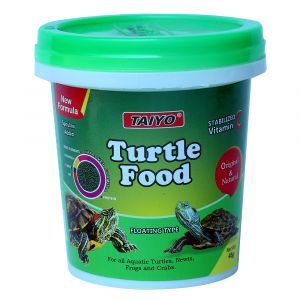
Balanced Nutrition:
A well-balanced diet is essential for your fish's health. Look for fish food that provides a mix of proteins, fats, and carbohydrates. High-quality fish food should list its ingredients, so you can ensure it meets your fish's nutritional requirements. Low-quality food may lack essential nutrients and can lead to health problems.
Avoid Overfeeding:
Overfeeding is a common mistake in aquarium maintenance. It can lead to water quality issues and health problems for your fish. Follow the recommended feeding guidelines on the fish food packaging, and adjust based on your observations of your fish's eating habits.
Seasonal Variations:
Just like in nature, fish can have varying dietary needs depending on the season. During the breeding season, some fish may require extra protein, while others may need more plant matter for spawning. Be attentive to these changes and adjust their diet accordingly.
Consider Freeze-Dried and Frozen Foods:
Freeze-dried and frozen foods can be excellent additions to your fish's diet. These options can provide a wider range of nutrients and mimic natural prey more closely. Many fish species benefit from the occasional inclusion of these foods in their diet.
Avoid Overly Processed Foods:
While convenience is essential, overly processed foods can lose some of their nutritional value. Look for fish food that retains its natural color and texture, as this often indicates a more nutritious option.
Customize for Individual Fish:
In a community tank, you may have fish with different dietary requirements. Consider providing separate food for different species or using a food that caters to a variety of fish types. Some fish may be shy eaters, so make sure all your fish get their fair share.
Regular Feeding Schedule:
Establish a consistent feeding schedule for your fish. aquarium shop near me Fish typically do best with two or three small meals a day. A regular feeding routine can reduce stress and promote healthier fish.
Observe Your Fish:
Finally, observe your fish to ensure they are thriving. Healthy fish display vibrant colors, active swimming, and a voracious appetite. If you notice changes in their behavior or appearance, it may be time to reevaluate their diet.


Comments
Post a Comment