The Wonders of Water Plants: Nature's Aquatic Gems
Water plants come in a wide variety of species, each uniquely adapted to thrive in aquatic environments. From the delicate lily pads that grace the surface of ponds to the submergent plants that sway gracefully beneath the water's surface, these organisms have evolved to make the most of their watery homes. Some of the most common categories of water plants include emergent plants, floating plants, and submerged plants.
Emergent plants are those that grow partially submerged in water, with their leaves and stems rising above the surface. These plants, such as cattails and bulrushes, provide important habitat for various wildlife, including birds, amphibians, and insects. Their extensive root systems help stabilize shorelines, preventing erosion and maintaining water quality by filtering out excess nutrients.
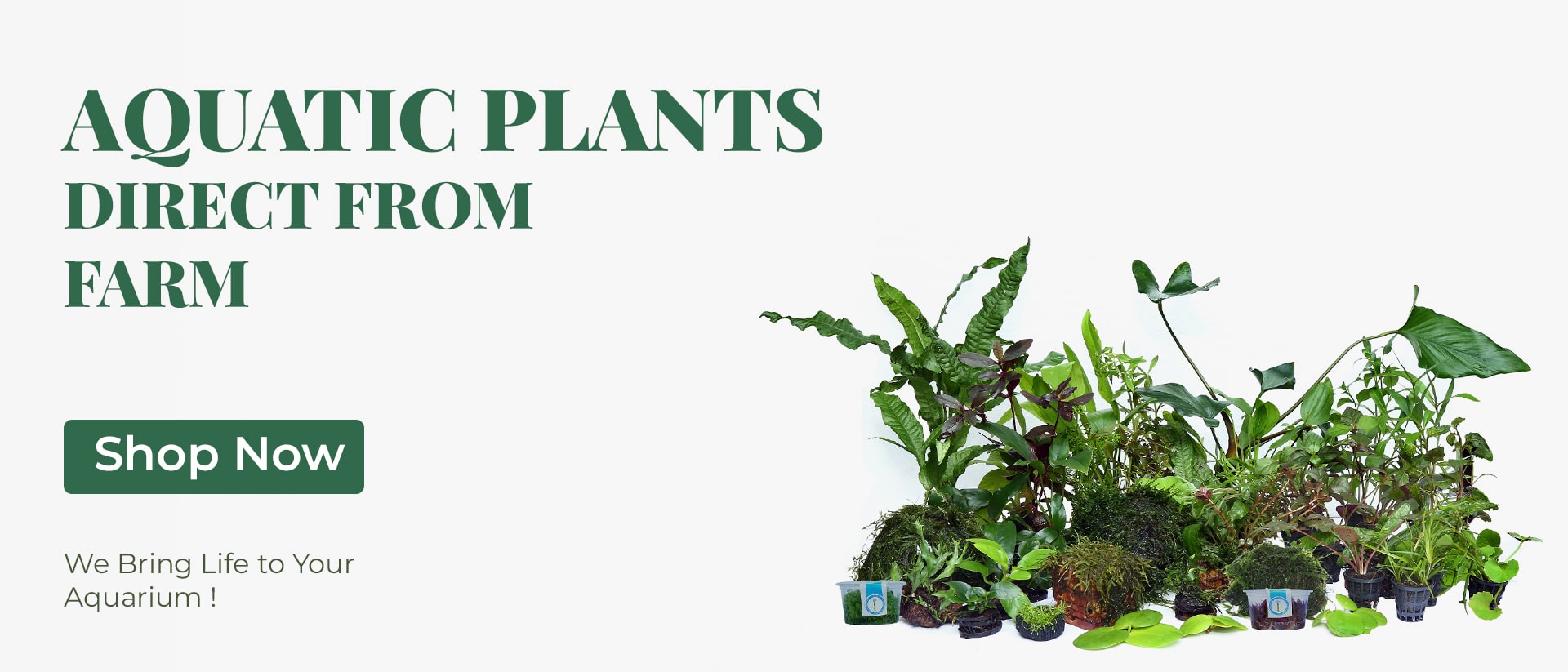
Floating plants, like water lilies and duckweed, create a beautiful sight on the surface of still waters. Their broad leaves provide shade, which helps reduce water temperature and minimize the growth of harmful algae. Additionally, these plants offer shelter and a food source for fish and aquatic insects, further contributing to the overall health of the ecosystem.
Submerged plants are entirely underwater, where they oxygenate the water and provide crucial refuge for aquatic organisms. These plants absorb excess nutrients and compete with algae for resources, effectively reducing the risk of algal blooms. In turn, their presence enhances water clarity and quality, making aquatic environments more hospitable for a diverse range of species.
One of the most remarkable aspects of water plants is their ability to support biodiversity. These plants create intricate habitats for various species, including fish, turtles, frogs, and waterfowl. Emergent plants serve as nesting sites for birds, while submerged plants offer protection for juvenile fish and invertebrates. The intricate web of life in aquatic ecosystems relies on these plants as a cornerstone of their existence.
Beyond supporting wildlife, water plants play a pivotal role in maintaining water quality. They act as natural filters, removing excess nutrients such as nitrogen and phosphorus from the water. High levels of these nutrients can lead to water pollution, algal blooms, and a decline in water quality. Water plants help counteract these issues by absorbing and storing these nutrients, ultimately leading to clearer, healthier water.
In addition to their ecological significance, aquarium plants also offer numerous benefits to humans. Many cultures have recognized their value for centuries and have incorporated them into various aspects of their lives. Water lilies, for example, hold cultural and symbolic significance in many parts of the world, representing beauty, enlightenment, and rebirth.
Furthermore, water plants can be used in practical applications, such as water purification and wetland restoration. In some regions, specially designed constructed wetlands use water plants to treat wastewater, improving water quality before it is released back into the environment. These natural systems offer a sustainable and cost-effective solution to water treatment.
While water plants offer a multitude of benefits, they are not without their challenges. Invasive species can disrupt native aquatic ecosystems by outcompeting native plants and altering the balance of the ecosystem. The introduction of non-native water plants, whether intentionally or unintentionally, can lead to ecological imbalances and the loss of biodiversity. Therefore, it is essential to manage the spread of invasive aquatic plants and prioritize the preservation of native species.


Comments
Post a Comment