Aquatic Marvels: Exploring the Fascinating World of Plants That Grow in Water
Adaptations to Aquatic Environments:
Plants that grow in water have evolved various adaptations to suit their submerged lifestyle. One notable feature is the presence of specialized structures for efficient nutrient absorption. Roots in these plants play a crucial role in anchoring them to the substrate and absorbing essential nutrients from the water.
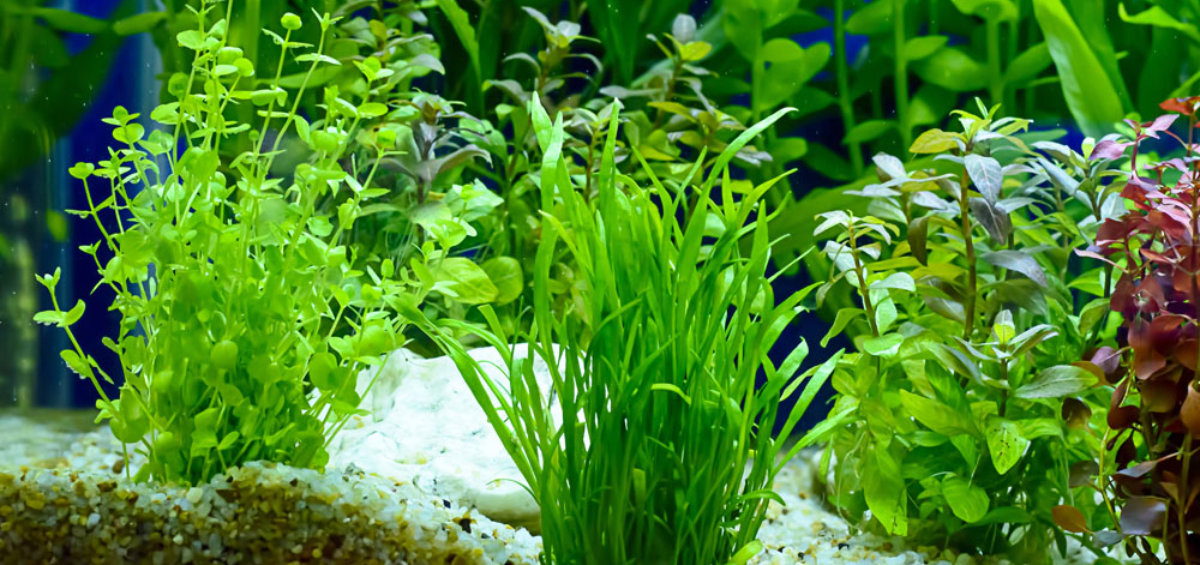
One prime example of aquatic adaptation is the hydrophytic leaf structure. These leaves are specially designed to minimize resistance to water flow and reduce the risk of damage from strong currents. Additionally, many aquatic plants exhibit aerenchyma, which are air-filled spaces within their tissues that facilitate buoyancy and gas exchange, enabling them to thrive in oxygen-depleted water.
Types of Aquatic Plants:
Aquatic plants can be broadly categorized into submerged, floating, and emergent varieties. Submerged plants, such as the popular Anacharis and Vallisneria, grow entirely beneath the water surface, with their leaves and stems submerged. Floating plants, like Water Lilies and Duckweed, have leaves that float on the water's surface. Emergent plants, such as the graceful Cattails and Water Iris, have their roots underwater but display foliage and flowers above the surface.
Ecological Importance:
floating plants for aquarium play a crucial role in maintaining aquatic ecosystems. They contribute to water purification by absorbing excess nutrients, preventing algal blooms, and improving water clarity. Aquatic plants also provide habitat and shelter for various aquatic organisms, serving as nurseries for fish and refuge for invertebrates.
In addition to their ecological importance, some water plants have economic value. Many species are harvested for ornamental purposes, while others, like certain types of water lettuce, are used in wastewater treatment to absorb pollutants and improve water quality.
Aquatic Plants in Aquariums:
The allure of aquatic plants extends beyond natural water bodies, finding a place in aquariums worldwide. Aquarium enthusiasts appreciate the aesthetic appeal and functional benefits that aquatic plants bring to their setups. Plants like Java Moss, Amazon Sword, and Cryptocoryne not only enhance the visual appeal of aquariums but also provide hiding places for fish and contribute to water oxygenation.
Challenges and Conservation:
Despite their resilience, aquatic plants face threats from habitat destruction, pollution, and invasive species. Wetland degradation and water pollution disrupt the delicate balance of these ecosystems, putting aquatic plant species at risk. Conservation efforts are essential to protect these valuable plants and the ecosystems they support.


Comments
Post a Comment