Aquatic Wonders: Exploring the Fascinating World of Plants That Grow in Water
Aquatic Habitats and Diversity:
Aquatic plants are found in various water bodies, ranging from freshwater ponds and lakes to brackish marshes and saltwater estuaries. Each habitat harbors a distinct community of aquatic plants, showcasing their remarkable adaptability to different environmental conditions. Water lilies, lotuses, and duckweed are common inhabitants of calm freshwater bodies, while mangroves and seagrasses thrive in coastal areas.
Structural Adaptations:
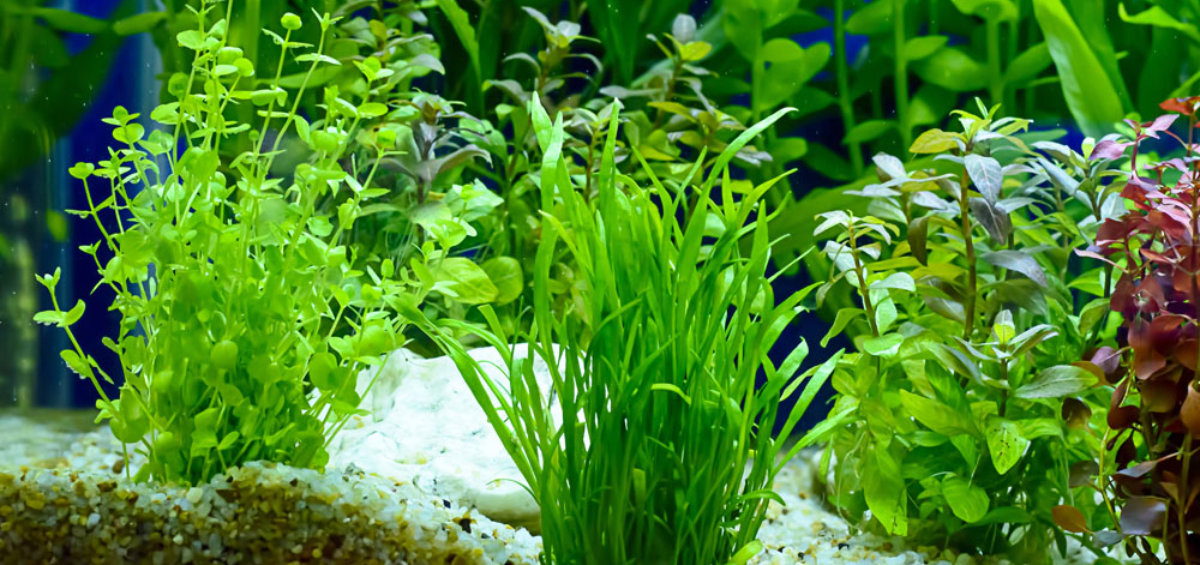
Aquatic plants exhibit a myriad of structural adaptations that enable them to flourish in water. Submerged plants, such as eelgrass and tapegrass, have finely dissected leaves that facilitate nutrient absorption from the water. plants that grow in water like, have leaves with waxy surfaces that repel water, preventing them from becoming waterlogged. Emergent plants, such as bulrushes and cattails, have stems that allow them to grow above the water surface while their roots remain submerged.
Oxygenation and Water Purification:
One of the vital roles played by aquatic plants is oxygenation. Through a process known as photosynthesis, these plants absorb carbon dioxide and release oxygen, contributing to the overall oxygen balance in aquatic ecosystems. Additionally, aquatic plants serve as natural filters, purifying water by absorbing pollutants and excess nutrients. This not only benefits the plants themselves but also supports the health of aquatic fauna.
Ornamental Aquatic Plants:
Beyond their ecological significance, many aquatic plants are cherished for their aesthetic appeal. Water gardens adorned with water lilies, lotuses, and irises add a touch of natural elegance to landscapes. These ornamental aquatic plants not only enhance the visual appeal of water features but also provide a habitat for various aquatic organisms.
Challenges and Conservation:
Despite their adaptability, Floating Aquarium Plants face challenges due to habitat degradation, pollution, and invasive species. Human activities such as urbanization and agricultural runoff can disrupt aquatic ecosystems, threatening the survival of native aquatic flora. Conservation efforts are crucial to protecting these plants and maintaining the biodiversity of water environments.
Aquatic Plants in Traditional Medicine:
Several aquatic plants have found applications in traditional medicine systems. For example, water hyacinth has been used in some cultures for its medicinal properties, believed to treat ailments such as skin conditions and respiratory issues. The rich biodiversity of aquatic plants offers a potential source of novel compounds with medicinal properties, inspiring ongoing research in the field of ethnobotany.
Responsible Cultivation and Aquascaping:
With the growing popularity of aquascaping—a hobby that involves creating visually appealing underwater landscapes in aquariums—many aquatic plants have become sought-after additions. Responsible cultivation and trade practices are essential to prevent the spread of invasive species and protect natural ecosystems. Hobbyists and enthusiasts play a role in promoting sustainable practices in aquascaping. Aquatic Habitats and Diversity:
Aquatic plants are found in various water bodies, ranging from freshwater ponds and lakes to brackish marshes and saltwater estuaries. Each habitat harbors a distinct community of aquatic plants, showcasing their remarkable adaptability to different environmental conditions. Water lilies, lotuses, and duckweed are common inhabitants of calm freshwater bodies, while mangroves and seagrasses thrive in coastal areas.
Structural Adaptations:
Aquatic plants exhibit a myriad of structural adaptations that enable them to flourish in water. Submerged plants, such as eelgrass and tapegrass, have finely dissected leaves that facilitate nutrient absorption from the water. plants that grow in water like, have leaves with waxy surfaces that repel water, preventing them from becoming waterlogged. Emergent plants, such as bulrushes and cattails, have stems that allow them to grow above the water surface while their roots remain submerged.
Oxygenation and Water Purification:
One of the vital roles played by aquatic plants is oxygenation. Through a process known as photosynthesis, these plants absorb carbon dioxide and release oxygen, contributing to the overall oxygen balance in aquatic ecosystems. Additionally, aquatic plants serve as natural filters, purifying water by absorbing pollutants and excess nutrients. This not only benefits the plants themselves but also supports the health of aquatic fauna.
Ornamental Aquatic Plants:
Beyond their ecological significance, many aquatic plants are cherished for their aesthetic appeal. Water gardens adorned with water lilies, lotuses, and irises add a touch of natural elegance to landscapes. These ornamental aquatic plants not only enhance the visual appeal of water features but also provide a habitat for various aquatic organisms.
Challenges and Conservation:
Despite their adaptability, Floating Aquarium Plants face challenges due to habitat degradation, pollution, and invasive species. Human activities such as urbanization and agricultural runoff can disrupt aquatic ecosystems, threatening the survival of native aquatic flora. Conservation efforts are crucial to protecting these plants and maintaining the biodiversity of water environments.
Aquatic Plants in Traditional Medicine:
Several aquatic plants have found applications in traditional medicine systems. For example, water hyacinth has been used in some cultures for its medicinal properties, believed to treat ailments such as skin conditions and respiratory issues. The rich biodiversity of aquatic plants offers a potential source of novel compounds with medicinal properties, inspiring ongoing research in the field of ethnobotany.
Responsible Cultivation and Aquascaping:
With the growing popularity of aquascaping—a hobby that involves creating visually appealing underwater landscapes in aquariums—many aquatic plants have become sought-after additions. Responsible cultivation and trade practices are essential to prevent the spread of invasive species and protect natural ecosystems. Hobbyists and enthusiasts play a role in promoting sustainable practices in aquascaping.


Comments
Post a Comment